Whatsapp icon

Which Anker Charger or Power Bank Should You Buy?

A practical Kenya guide to choosing an Anker USB-C charger, cable or power bank for your phone, tablet and laptop without paying for power you cannot use.


Umoja Marketplace logo
Admin

Published on 30 Sep, 2026


Which Anker Charger or Power Bank Should You Buy? | Umoja Marketplace

Charging accessories are easy to buy badly because the label on the box is only part of the story. The right choice depends on the device, the cable, how quickly you need to recharge and whether you are carrying it all day.

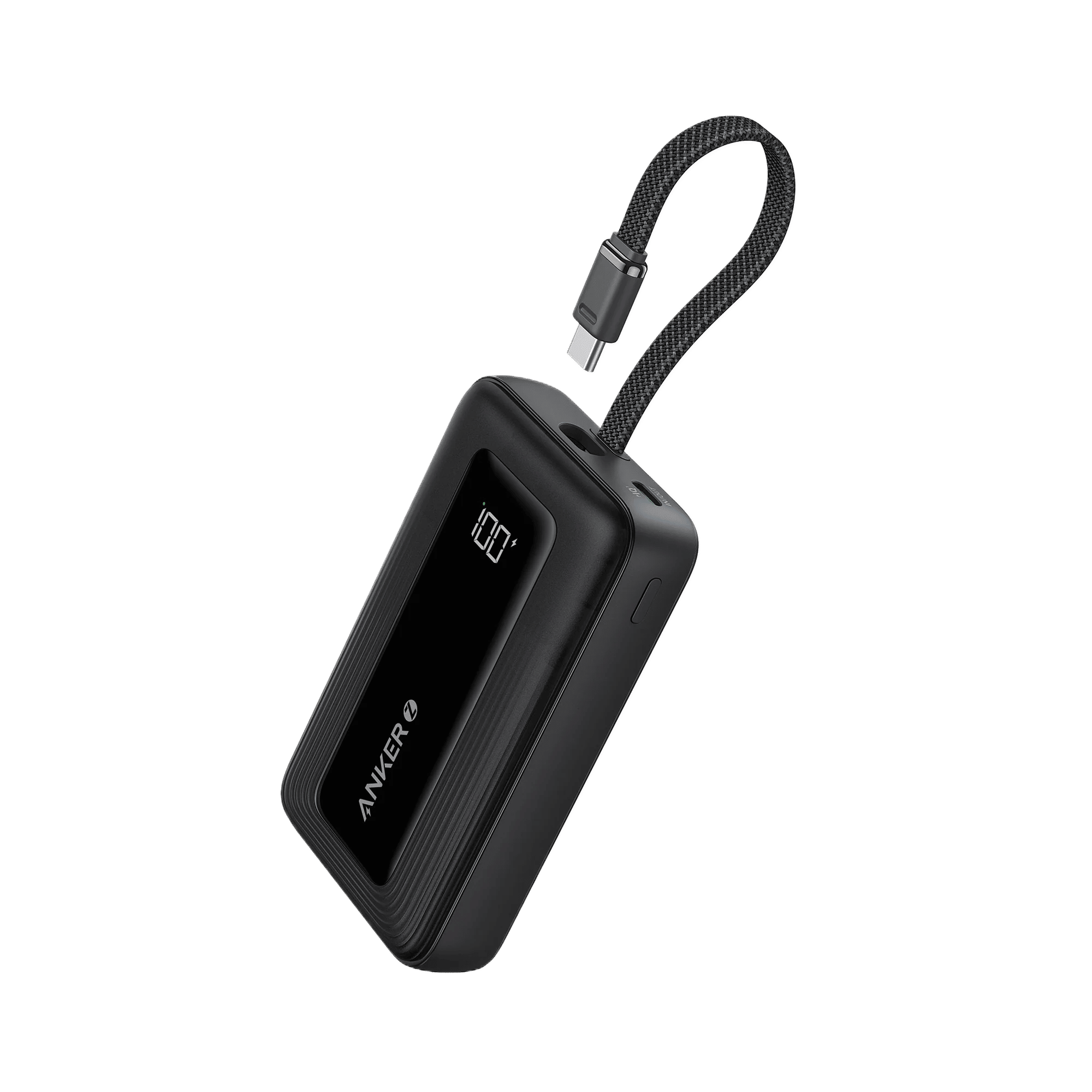
Explore Umoja’s Anker range and compare the current options below before ordering.

Watts describe power; capacity describes stored energy

The watt figure tells you about charging power. A charger advertised at 65W can provide up to its stated output under compatible conditions; it does not deliver that amount to every device. The receiving phone or laptop negotiates an appropriate supply. A phone designed for a lower rate will not become a 65W device just because you connect a larger adapter. Choosing additional headroom is useful for other devices, but it is not automatically a speed upgrade.

Power-bank capacity is often advertised in milliamp-hours, while energy is more directly compared in watt-hours. These numbers refer to the bank's cells, not the exact energy that reaches your phone battery. Voltage conversion, charging losses and the phone's own use reduce the usable result. Avoid dividing the printed bank capacity by your phone's capacity and treating the answer as a guaranteed recharge count. Real endurance depends on the devices and conditions involved.

Choose the charging job before choosing the product

A wall charger and a power bank solve different problems. A wall charger turns available mains power into the supply your device accepts. A power bank stores energy so you can recharge away from a socket. Buying both can make sense, but neither should be selected simply because the number on the box is large. Start with the devices you carry, their charging requirements, the amount of time you spend away from power and the weight you are willing to pack.

For example, someone charging a phone overnight at home may only need one dependable USB-C charger. A commuter who records video throughout the day may benefit more from a portable battery. A consultant travelling with a laptop and phone needs to think about simultaneous output and recharging the bank itself. These are three distinct shopping lists. The right Anker product is the one whose complete specifications match the job, including the cable and the ports you will actually use.

Check the protocol as well as the USB-C socket

USB-C describes the connector; it does not guarantee one charging speed or protocol. Look for the power-delivery modes required by your device. Where a phone needs a particular fast-charging feature, such as a compatible programmable supply, check that the adapter supports it. An attractive maximum-wattage headline cannot replace reading the output specifications. This matters especially when buying one charger for devices from different manufacturers.

Laptop charging deserves a separate check. Some computers charge through USB-C, some use a dedicated connector, and some have particular requirements for charging while working under load. Read the laptop manufacturer's guidance and compare the input requirement with the charger's supported output. A compatible adapter may charge a laptop slowly during light use but fail to keep up during sustained demanding work. Do not infer compatibility from the presence of a USB-C port alone.

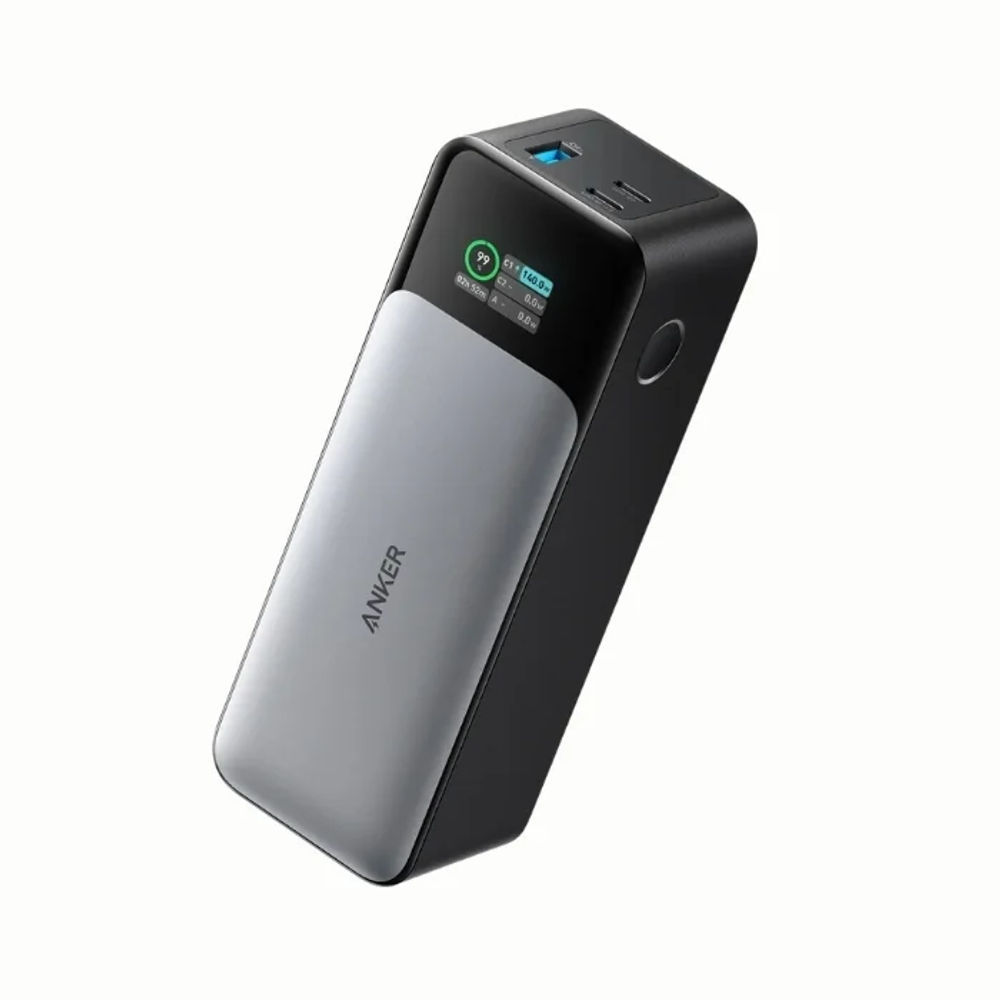
Current Umoja options

Single-port and total output are different promises

Multiport chargers usually divide a power budget between connected devices. A product's headline total can therefore differ from what one port receives while another port is occupied. Read the allocation table for one device, two devices and the specific port combination you intend to use. If a laptop needs a substantial supply, verify what remains available to it when your phone is connected. The printed total is only the starting point.

The same issue applies to a power bank with several outputs. Ask which port provides the strongest USB-C output and whether the bank reduces that output when another device begins charging. Some models briefly renegotiate power as devices are connected. For ordinary charging that may be harmless, but it can be inconvenient for equipment that dislikes interruptions. A short practical test with your own devices can reveal more than comparing port counts.

Magnetic charging and ordinary wireless charging

A magnetic bank is convenient when you want a battery attached to the back of a compatible phone, but magnetic attachment and charging compatibility are separate questions. Check the phone, case and bank together. A case can weaken attachment or increase the distance between charging coils. Some phones need a suitable case or accessory for secure magnetic positioning. Do not assume the same experience on every device just because a bank has magnets.

Wireless charging typically trades some efficiency for convenience. Heat, alignment and the phone's own charging limits affect performance. If you need the quickest practical top-up before leaving, a compatible wired connection may suit you better. If you prefer an uncluttered desk or occasional charging while moving between meetings, magnetic convenience may be worth the trade-off. Compare the exact wireless standard and output of the selected model rather than treating all MagGo products as interchangeable.

Why the cable belongs in the specification

A cable can limit a charging setup that otherwise looks compatible. Its connectors, power rating and condition matter. Higher USB-C power levels may require a properly rated cable, and data capabilities are a separate feature. A charging cable is not necessarily suitable for fast file transfer or an external display. If your main objective is dependable laptop charging, select a cable for that job rather than assuming every cable already in your drawer will work.

Inspect the strain relief, connector fit and cable length. A short lead can be ideal with a bank in a bag but inconvenient at a desk. A longer cable should not trail across a walkway or hang under tension from a phone. Replace damaged or loose cables instead of repeatedly repositioning them until they charge. Consider carrying a spare appropriate cable on longer trips, particularly if a built-in cable is the accessory you rely on most.

Plan how you will refill the power bank

A high-capacity bank is less helpful if it takes longer than your available evening to recharge. Check its maximum input, not only its output. The fastest advertised refill time may depend on an adapter and cable that are sold separately. Include those requirements in your budget. If you travel repeatedly, a bank that refills reliably overnight can be more useful than one with a larger capacity but a much slower input.

Pass-through charging, where offered, also needs manufacturer confirmation. Do not assume every bank is intended to charge another device while it is being refilled. Check the relevant model's instructions and consider whether the arrangement reduces the power available to either task. For long desk sessions, a wall charger may be a simpler tool than keeping a battery bank constantly involved. Use stored energy when mobility is the real need.

Capacity choices for different routines

A small everyday bank suits someone who wants an emergency reserve without adding much weight. A larger bank is more appropriate when several devices need power, you are away for a longer period, or you use navigation and video extensively. A laptop-capable model needs sufficient energy and a suitable output profile; capacity alone does not establish that capability. Match the product to the heaviest device you actually intend to charge.

For a shared family outing, account for the number of usable ports and whether everyone has the right cable. For work travel, check the bank's watt-hour marking and the current rules of your airline before departure. Carry-on requirements and approval limits can differ, so an old travel blog is not the final reference. Keep the energy label readable and avoid relying on an unmarked battery whose specification cannot be checked at the airport.

Ownership, storage and buying checks

Store the bank away from excessive heat and moisture. Do not leave it baking in a parked vehicle or continue using a unit that is swollen, damaged or behaving abnormally. Follow the maker's instructions for storage and disposal. A bank is a portable battery, so physical condition matters as much as whether its display lights up. Keeping the purchase details also makes it easier to resolve a support issue with the correct model information.

Before ordering, confirm the exact Anker model number, capacity, strongest individual output, maximum input, supplied cable and plug. Ask about the written support arrangements for the supplied unit. Use the live Umoja listing for price and availability; related products in this article are options to compare, not a promise that every configuration is in stock. Anker's power-bank range shows why model-level checks matter: products vary substantially even within the same brand.

The simplest practical test is to describe your intended setup in one sentence: charge this phone once while commuting, power this laptop during a meeting, or refill these two devices overnight. Then verify each requirement against the product's specifications. That approach avoids spending on impressive features you will not use while missing the cable, protocol or recharge requirement that determines whether the purchase works.

GaN is useful, but it is not the whole decision

Gallium nitride technology can help manufacturers make compact chargers capable of relatively high output. That can be useful when you want one small adapter for a laptop and phone. However, the GaN label does not establish the supported charging modes, how output is shared, or whether the adapter includes the plug you need. Compare the complete product specifications and physical design before treating the technology name as a reason to buy.

Think about the sockets you use. A bulky adapter can block an adjacent outlet, and an imported plug may require an appropriate adapter. Check the input-voltage range and the exact supplied plug. Choose a setup that sits securely without improvised connections. Warmth during charging can be normal, but keep the charger ventilated and follow the manufacturer's operating guidance. Compactness should make your setup easier to use, not encourage covering it under bedding or other insulating materials.


Umoja Marketplace logo
Admin

Published on 30 Sep, 2026


Read next

Fast & Secure Delivery

Same-day available in Nairobi.

Genuine Products

Sourced from official distributors.

Easy Returns

On faulty, wrong or damaged items.

Pro Quality Support

Call & WhatsApp: Mon–Fri 8am–8pm, Sat 10am–2pm, Sun closed.