
Whatsapp icon

USB-C Power Banks in Kenya: 10,000mAh vs 20,000mAh

Choose a USB-C power bank in Kenya by comparing 10,000mAh and 20,000mAh capacity, output, ports, cables and portability.


Umoja Marketplace logo
Admin

Published on 30 Sep, 2026


USB-C Power Banks Kenya: 10K vs 20K Guide | Umoja

Phones, tablets and laptops are increasingly used away from a desk, making compatible portable power a practical part of every-device ownership.

That trend is worth using as a prompt to shop more carefully, not simply to upgrade quickly. Apple's MacBook Air with M5 announcement is useful context; the live Umoja listings below are the reference for local configuration and availability.
Why the recharge calculation is not simple division

The milliamp-hour number usually describes the bank's internal cells. Your phone battery, the bank's output and the conversion process operate under different electrical conditions. Some energy is lost during conversion and charging, and a phone being used while connected consumes power too. Dividing the bank's printed capacity by the phone's printed capacity therefore does not give a dependable guaranteed recharge count.

Watt-hours are useful for comparing stored energy, provided you use the manufacturer's stated figure. Even that figure does not eliminate conversion losses or predict every device's result. Look for model-specific specifications and testing conditions, and keep expectations realistic. A bank is best assessed by whether it covers your intended period away from power, not by an exact recharge promise derived from two marketing numbers.

Output watts determine which devices it can serve

Check the strongest individual USB-C output and the charging modes the bank supports. A phone may need one level, while a laptop can need a much greater supply. A bank marketed for phones should not be assumed to power a laptop simply because it has a USB-C connector. Compare the device manufacturer's requirements with the bank's output profiles. The connector shape is only one part of compatibility.

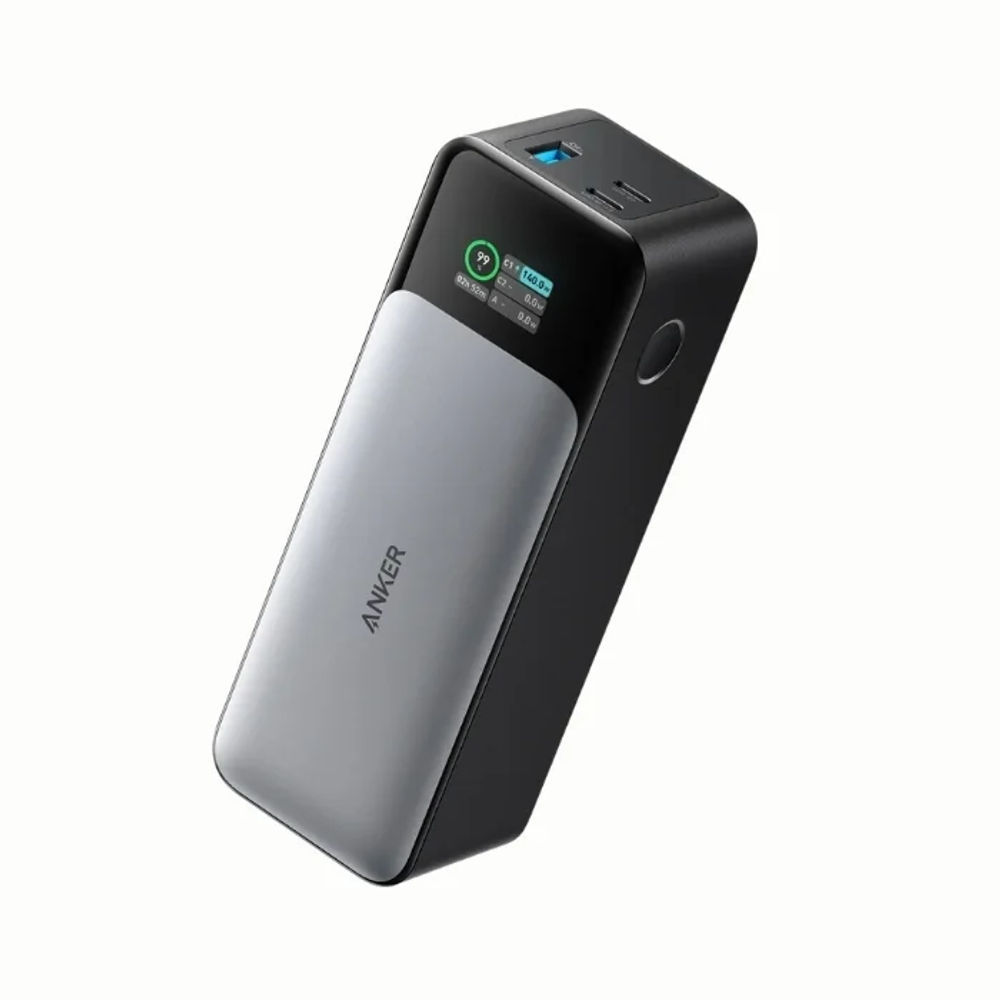
For a laptop, distinguish charging while idle from maintaining charge during demanding work. A supply can be compatible but insufficient to keep up with sustained use. If that is your intended job, verify it explicitly and choose a suitable cable. The high-output Anker 737 option and a phone-oriented 20W bank serve different purposes. Their capacity and price should be compared in the context of those roles rather than as equivalent portable batteries.

Capacity is a balance between reserve and carrying weight

Choosing between a 10,000mAh and a 20,000mAh power bank begins with how much energy you need away from a socket. A smaller unit can be easier to carry every day, while a larger one may suit longer trips, several devices or demanding phone use. The larger number is not automatically the better purchase if its size means you leave it at home. Think about the bag or pocket you actually use and the time you normally spend without charging access.

List the devices and the job: an emergency phone top-up, a day of navigation, charging two family phones, or keeping a compatible laptop running. Those requirements involve both capacity and power output. A high-capacity bank with a modest output is not necessarily laptop-capable, and a high-output bank can still have limited total energy. Compare both resources separately before deciding which model fits your routine.

Size, weight and everyday use

Compare the listed dimensions and weight of the exact models. Capacity class alone does not establish the physical size, because output capability, displays and construction differ. A larger unit may be appropriate for a travel bag but awkward in a jacket pocket. Try the combined phone-and-bank arrangement where possible. An item you are comfortable carrying will be more useful than a theoretically ideal unit that stays on a shelf.

For long travel, think about the whole charging kit: bank, adapter and cables. For a short commute, a compact emergency reserve may be enough. For work involving prolonged video or navigation, more capacity can make sense. Those are different routines, so the choice should be based on the time and devices involved rather than a blanket recommendation that everyone needs 20,000mAh.

Travel rules and the energy label

Before flying, check your airline's current battery rules for the route and product. Capacity limits, approval requirements and packing rules should not be assumed from an old general guide. Use the bank's stated watt-hour marking and keep it readable. An unmarked battery whose energy specification cannot be established can create avoidable problems during travel.

Do not calculate a travel claim from the milliamp-hour number without the required voltage information. If the manufacturer provides watt-hours, use that as the product reference and confirm the airline's requirements directly. The rules can change, so this article deliberately does not promise that every bank in either capacity class is automatically accepted in every circumstance. Verify the exact unit before departure.

Making the choice

Choose 10,000mAh when a compact reserve matches your normal time away from power and the selected output supports your device. Choose 20,000mAh when the additional energy has a clear purpose and you accept the weight. For laptop use, check power profiles first, then capacity. For several phones, check shared output and cables. Those requirements give the capacity decision a useful shape.

Before ordering, confirm energy, strongest output, input speed, port sharing, cable requirements and condition. A dependable bank is one you can carry, refill and use with the devices you actually own. Getting those details right matters more than selecting the larger number without checking how the complete charging arrangement will work.

Input speed decides how convenient refilling will be

Read the maximum input specification as well as the output. A larger bank needs more energy to refill, and a slow input can make it awkward for repeated travel. The advertised fastest charging time may require a compatible wall adapter and cable that are not included. Check the complete refill setup and include any needed equipment in your budget. A bank that reliably recharges overnight may be more useful than a larger one that remains partly empty before you leave.

If you often have only brief access to a socket, input speed can be a major requirement. If you refill once a week at home, it may matter less. Pass-through use also needs checking for the exact model; do not assume every bank is intended to charge another device while charging itself. Read the manufacturer's instructions and choose a routine that matches the product's supported operation.

Magnetic and wired banks solve different problems

A magnetic bank can be convenient with a compatible phone and case, but attachment and charging support are separate requirements. Check the exact wireless standard, alignment and case compatibility. A magnet does not establish the best charging experience on every handset. If you want a quick top-up before leaving, a compatible wired connection may suit you better than wireless convenience.

Wireless charging can produce more heat and use stored energy differently from wired charging. Real output depends on the phone and conditions, not only the bank's headline. If capacity is limited, that trade-off deserves attention. Choose magnetic charging when the practical attachment improves your routine, and choose wired charging when efficiency, flexibility or speed is the more important requirement. There is no need to force one approach into every situation.

Cables and built-in leads

The cable can limit the charging result. Confirm its power rating and connectors, especially for higher-output laptop charging. A USB-C cable is not automatically suitable for every power level, data speed or display task. Choose it for the job you need and replace damaged or loose leads. A bank that seems unreliable may be connected through a failing cable, so test the combination before judging either component alone.

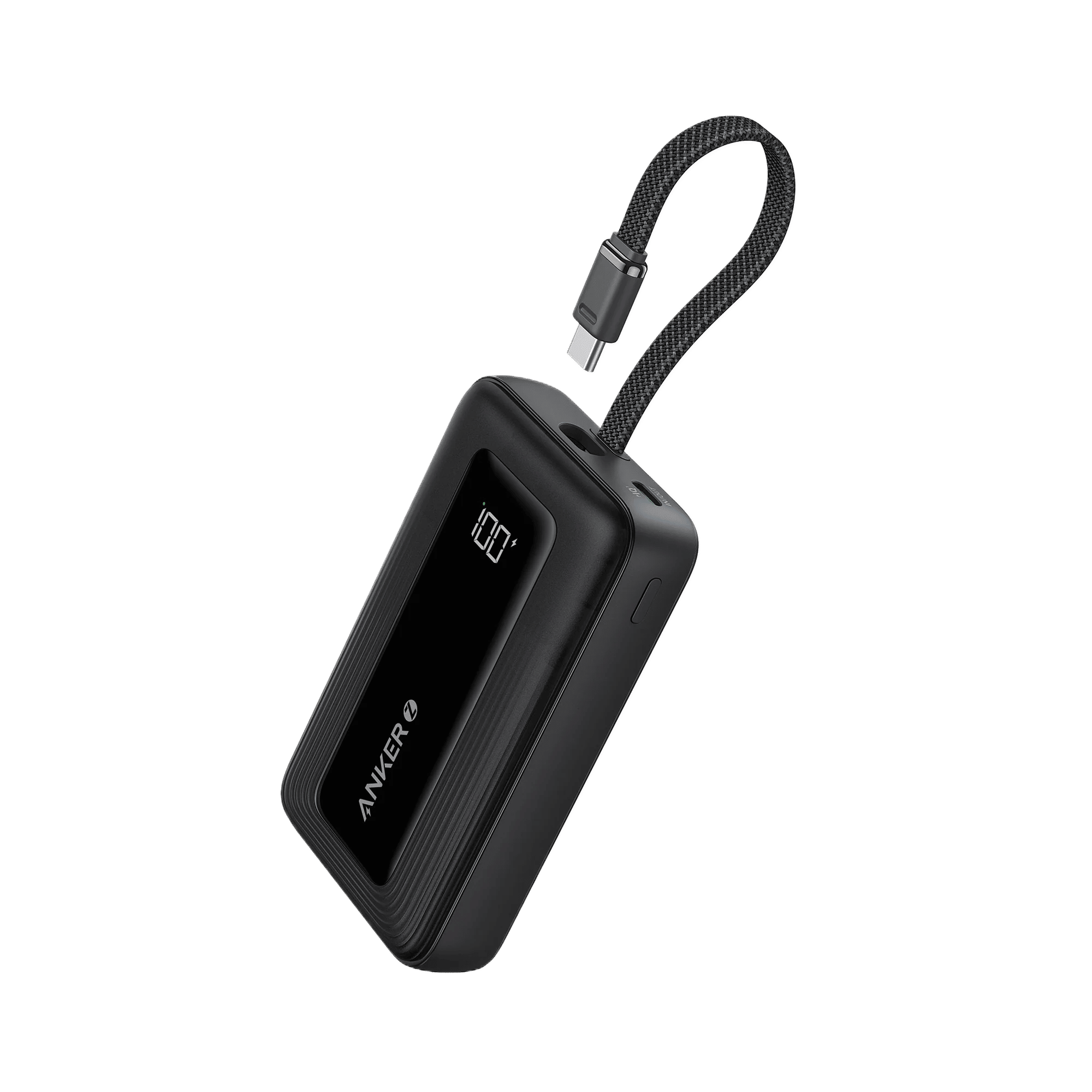
Built-in leads can reduce the chance of forgetting a cable, but inspect their length and construction. Consider how the bank and phone will sit together in your bag or on a desk. A short integrated lead may be convenient for carrying and inconvenient at a workstation. Ask what happens if the built-in cable is damaged and whether other ports remain usable. Convenience and repairability are both practical ownership considerations.

Care, condition and seller support

Protect the bank from excessive heat, moisture and physical damage. Do not continue using a swollen or visibly damaged unit. Follow the maker's storage and disposal guidance rather than treating a battery as ordinary household clutter. If a used bank is offered cheaply, its remaining battery condition may be uncertain even when the ports still work. Compare that uncertainty with the price and written support provided.

Keep the invoice and exact model information. Ask about the support provider and what is included in the box. Use current Umoja listings for local availability and Anker's power-bank information for manufacturer context where relevant. Other brands need their own specifications; an Anker feature should not be transferred to a Great Wall model simply because both are portable batteries.

Single-port power and shared power

A bank with several ports can share its power budget when more than one device is connected. Check the output table for the particular combination you will use. The headline total may not be available to one laptop while a phone is also charging. Some models renegotiate output when another device is attached, which can briefly interrupt charging. That behaviour should be understood if your equipment needs a stable supply.

For a family outing, several outputs are useful only if the relevant cables and power allocations work for everyone's devices. For a solo commuter, one suitable port may be enough. Do not buy extra ports as a substitute for checking the strongest output. The correct arrangement depends on whether you need simultaneous charging or simply a reserve for one device used at different times.

Current Umoja options


Umoja Marketplace logo
Admin

Published on 30 Sep, 2026


Read next

Fast & Secure Delivery

Same-day available in Nairobi.

Genuine Products

Sourced from official distributors.

Easy Returns

On faulty, wrong or damaged items.

Pro Quality Support

Call & WhatsApp: Mon–Fri 8am–8pm, Sat 10am–2pm, Sun closed.