Whatsapp icon

Samsung Galaxy A vs S Series: Kenya Buying Guide

Choose between Samsung Galaxy A and S phones in Kenya by matching camera, performance, budget and storage to how you actually use your phone.


Umoja Marketplace logo
Admin

Published on 30 Sep, 2026


Samsung Galaxy A vs S Series: Kenya Buying Guide | Umoja Marketplace

Samsung’s range is broad enough that the best choice is rarely the most expensive phone. The useful question is what you need the phone to do each day: messages and banking, long commutes, photos, work apps, gaming, or a little of everything.

Explore Umoja’s Samsung range and compare the current options below before ordering.

Compare the experience you repeat every day

Think about yesterday rather than an imaginary future. Did you spend most of the day replying to messages, recording videos for customers, navigating between appointments, or playing a demanding game? List your three most frequent tasks and one frustration with your present phone. That short list gives the comparison a purpose. If your current phone mostly annoys you because storage is full, a larger capacity may help more than a more expensive processor in a smaller configuration.

Try the interface with several apps open. Scroll through a long document, switch to the camera, return to a browser tab and open your messaging app. Smoothness involves software, memory and storage as well as the chip. A fresh demo handset with almost no apps is not a complete representation of your eventual setup. Ask about the actual RAM and storage option being sold, and avoid confusing physical memory with a software memory-extension setting.

Camera priorities: people, movement and low light

Camera resolution alone is a poor way to select a phone. Someone photographing receipts in daylight has different needs from a parent recording children indoors or a shop owner shooting products after sunset. Look at focus consistency, exposure, skin tones and the amount of movement your subjects usually make. Check whether a lens offers genuine optical reach or whether the phone is simply enlarging part of an image. Those differences can matter more than a large megapixel number.

Compare samples from the exact model where possible. For product listings, take a photograph of small printed text and a reflective object. For social video, check stabilisation while walking, microphone pickup and the quality of a clip recorded indoors. Do not assume every S-series phone includes the same lenses, or that every A-series phone has identical limitations. If photography is your main reason to spend more, establish what the extra camera hardware changes in the situations you actually shoot.

What the A and S labels actually tell you

Samsung's Galaxy A and Galaxy S names describe families, not fixed specifications. An A-series handset can be a very basic everyday phone or a capable midrange device, while an S-series model can be compact, larger, or built around an Ultra configuration. The year and complete model name matter. Comparing an old flagship with a recent midrange phone is a different decision from comparing two new phones released together. Start by writing down the exact models, storage capacities and conditions you are considering.

For a Kenyan buyer, the useful question is where the extra spending will make a daily difference. Messaging, mobile payments, maps, email and social media do not automatically require a flagship. More demanding camera work, gaming, a particular display, or specific productivity features may justify one. Neither family wins every comparison. A sensible purchase matches your actual workload and leaves enough money for protection, charging and the support arrangements you need.

Compare the whole purchase, not one headline price

Make a small comparison table with the phone price, storage, condition, included accessories and written warranty arrangements. Add any charger, protective case or screen protector you intend to buy. Compare like for like. A lower advertised price can represent a different storage tier or a different condition; a higher figure may include something you would otherwise need to purchase separately. The comparison becomes useful only when those differences are visible.

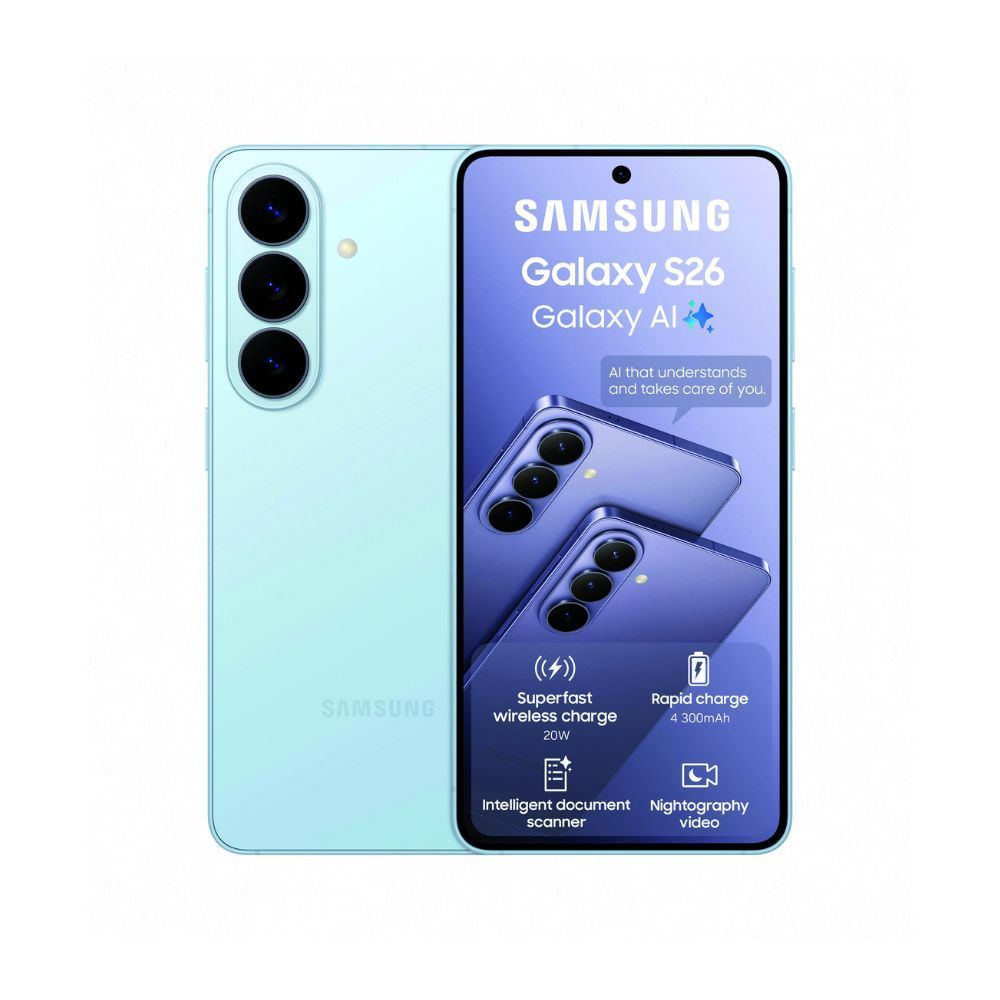
Use the live Umoja product listings for current configurations and availability. If you are considering an A36, S25 or S26, do not treat their appearance in a buying guide as confirmation that every colour or capacity is available today. Confirm the selected option before checkout. Where an arrival time matters, ask for a dispatch expectation and read the delivery terms rather than inferring the schedule from the model's international release date.

Software support belongs in the value calculation

Check Samsung's support information for the exact device and regional version. A general promise about one family or launch does not establish how many updates remain for every phone carrying the same letter. The relevant period starts from the manufacturer's release and policy, not simply from your purchase date. A discounted older phone can therefore have a shorter remaining support window than a more recent model, even when its original position in the range was higher.

Ask which Android version is installed, whether normal updates work and whether the device has been modified. Security patches, app compatibility and a clean account setup are especially relevant when you use the handset for work. A second-hand phone should be properly removed from its previous owner's accounts. The seller should demonstrate normal activation; a promise to bypass an account lock later is not an acceptable substitute for a device that is ready to set up.

Three practical buying scenarios

A student who mainly reads course notes, joins calls and uses messaging should prioritise a comfortable screen, adequate storage and reliable battery behaviour. A suitable A-series configuration may meet those needs while leaving room in the budget for accessories or connectivity. Before choosing it, test the specific learning platform and consider how much material needs to remain available offline. The objective is dependable everyday use, not winning a specification comparison.

A small-business owner who records products and posts video regularly may find a particular S-series camera configuration worthwhile. Test the actual workflow: record, edit, export and upload. Extra spending is easier to justify when it removes a recurring limitation such as unstable footage or slow processing. Someone who mainly sends photographs over messaging may gain less from the same upgrade, especially when compression reduces the visible differences.

A frequent traveller should focus on network compatibility, the SIM setup, charging and practical portability. A compact flagship can be a better fit than a larger phone with a longer feature list, while an affordable midrange model may make an excellent work line. The choice depends on which compromises you are comfortable living with. Explain those priorities to the seller instead of asking only which Samsung is the best.

Battery life and charging need separate checks

Battery capacity is only one part of endurance. Screen brightness, signal strength, video calls, navigation and software activity all affect how long the phone lasts. A handset that spends the day searching for coverage can behave differently from the same model on reliable Wi-Fi. Manufacturer battery figures use defined test conditions; they are not a promise of identical results during a busy day in Nairobi, Kisumu or a location with variable mobile reception.

Charging speed is another question. Confirm the supported wired charging method, the cable requirement and whether a suitable adapter is supplied. Buying a very powerful charger does not force a phone to accept more power than its design allows. Some Samsung fast-charging modes need a compatible protocol and cable, so verify the combination rather than buying by wattage alone. Wireless charging, where supported, can be convenient at a desk, but its presence should not replace checking your ordinary wired setup.

Screen size, outdoor use and comfort

A bigger display is helpful for reading spreadsheets, watching lessons or reviewing photographs, but it also makes the phone larger in a pocket and harder to use with one hand. Try typing while standing and reaching the top of the screen. Add the likely case thickness to your judgement. A phone that feels manageable on a display stand can become awkward when you are carrying a bag or answering a message in a crowded vehicle.

For outdoor use, consider legibility and reflections rather than relying only on a peak-brightness headline. Display refresh rate can improve the appearance of scrolling, but supported modes and power consumption differ by model. Check the resolution settings and whether the screen remains comfortable for long reading sessions. If you prefer a compact handset, accept that preference as a real requirement instead of treating the largest device as the automatic upgrade.

Regional versions and network compatibility

Two phones with the same marketing name may have different regional model numbers. SIM arrangements, supported network bands and certain services can differ. Confirm whether you need a physical SIM, eSIM, or two active lines, then check the exact handset with your network's requirements. A 5G label does not establish that 5G coverage exists in every place you work or that every imported version supports every relevant band.

For an imported phone, request the model identifier and clarity about support before paying. If you travel regularly, explain which destinations and SIM arrangements matter to you. Avoid assuming that a configuration sold in another market has precisely the same features as a Kenyan-market version. Keep the invoice and the details of the supplied device so that later support conversations refer to the correct hardware rather than a broad product-family name.

Questions to settle before ordering

Is the higher-priced phone worth it? Only when the specific improvements matter enough to you to justify the difference. Compare your priorities against the exact models and decide where you can accept a compromise. Do not assume that an expensive model will solve poor network coverage or inadequate cloud storage. Those are separate problems with separate solutions.

Should you buy more storage or a higher series? If you regularly keep large videos, offline courses or many apps, insufficient storage will remain frustrating regardless of the family name. Check whether the model supports storage expansion and what that expansion can hold. Keep some free internal space for normal operation, and plan a backup rather than treating any phone as the only copy of important work.

Can an older S-series phone be good value? It can, provided its condition, battery, support window and price make sense. Inspect it carefully and compare it with a newer A-series alternative at the same total cost. Samsung's smartphone range provides manufacturer context; Umoja's existing listings provide the local configuration you can actually order. Bring the exact model names to the comparison, then choose the phone that fits your day.

Current Umoja options

Shop the shortlist

A good upgrade should solve a real problem: more storage, a better camera, stronger battery confidence or smoother work. If the upgrade is only about a newer name, the model below it may be the better buy.

Before checkout, review Umoja’s Delivery Policy, Return Policy and the exact product configuration you selected.

Related buying guides

Related comparisons


Umoja Marketplace logo
Admin

Published on 30 Sep, 2026


Read next

Fast & Secure Delivery

Same-day available in Nairobi.

Genuine Products

Sourced from official distributors.

Easy Returns

On faulty, wrong or damaged items.

Pro Quality Support

Call & WhatsApp: Mon–Fri 8am–8pm, Sat 10am–2pm, Sun closed.